How Long Should Linemarking Last? Lifespans, Factors and Australian Best Practice
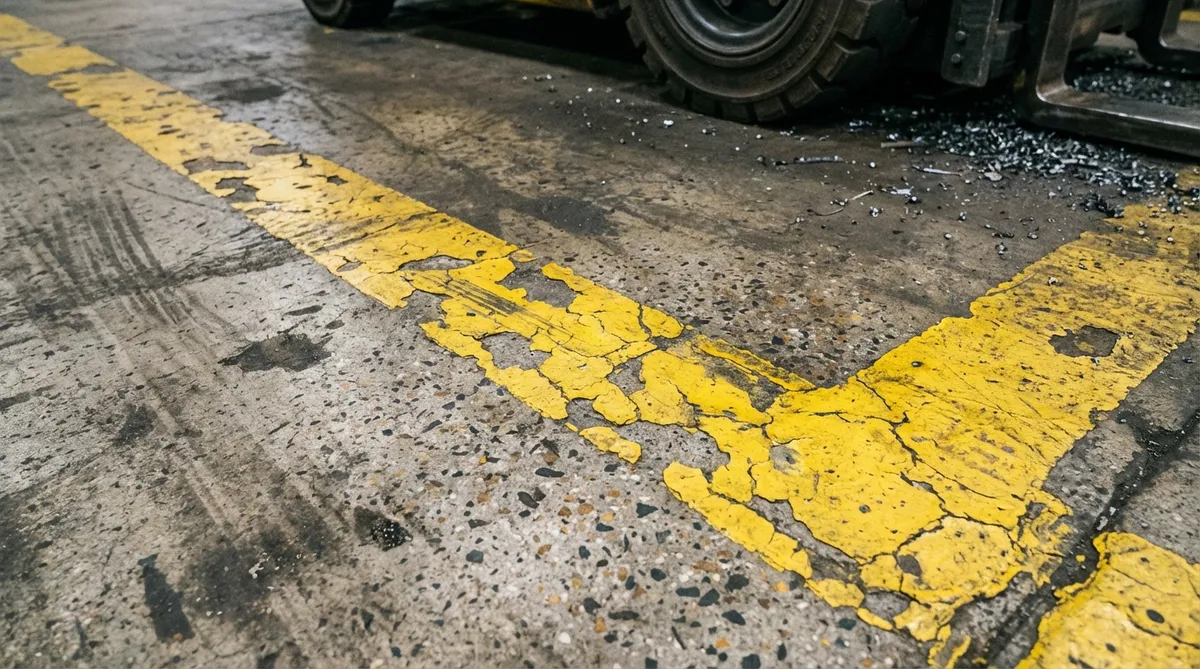
Linemarking life varies widely depending on materials, traffic, surface preparation and local Australian conditions. This guide explains realistic lifespans for common linemarking systems, the factors that affect durability, recommended inspection and maintenance schedules, and practical steps to extend service life while staying compliant with local requirements.
Typical lifespans by linemarking system
Lifespans below are general Australian estimates. Actual performance depends on site conditions, application quality, and traffic over the linemarking.
Water-based paint
Typical lifespan: 1–5 years in low-traffic car parks and warehouses.
Pros: lower cost, fast application.
Cons: shorter life under heavy vehicle traffic and in high-UV environments.
Thermoplastic layer
Typical lifespan: 2–8 years depending on traffic and substrate.
Pros: good durability for busy private-site asphalt areas and car parks, with reflective beads available for suitable applications.
Cons: higher installation cost and requires specialist application.
Tapes
Typical lifespan: 1–3 years in outdoor use; longer indoors where traffic is light.
Pros: fast to install and effective for short-term works or temporary markings.
Cons: can lift or abrade under heavy traffic or poor surface prep.
Key factors that determine line marking longevity
Traffic volume and type
Heavy vehicles, forklifts with narrow tyres and constant turning or queuing accelerate wear. Private loading and traffic areas carrying high axle loads wear fastest.
Surface substrate and preparation
Correct cleaning, repair of potholes/cracks and primer use are critical. Poor adhesion from inadequate prep is a leading cause of premature failure.
Product selection and quality
Higher-grade specialised paints last longer than economy options. Using the right product for the substrate and traffic profile is non-negotiable.
Climate and Australian-specific conditions
UV exposure: intense Australian sun causes faster chalking and pigment fade.
Heat cycles: hot summers can soften some materials, increasing abrasion.
Coastal salt spray: accelerates substrate corrosion and can reduce adhesion.
Heavy rain and flooding: can wash or abrade fresh coatings if they do not cure properly.
Application conditions and workmanship
Application outside recommended temperature/humidity ranges, insufficient thickness, or improper curing all shorten lifespan.
Maintenance and cleaning
Regular cleaning (sweeping, line cleaning with low-pressure wash) and timely repairs greatly extend life.
Recommended inspection and maintenance schedule
Daily/weekly: visual checks for major defects, obstruction of markings, or safety hazards in high-use areas (warehouses, loading zones).
Quarterly: record wear rates, check reflectivity and line crispness; schedule minor touch-ups if needed.
Annual: formal audit of line marking condition, especially for car parks and private access lanes.
Repaint/reapply guidance:
Car parks and light-traffic paved areas: 1–5 years for paint; 3–6 years if thermoplastic layer applied.
Industrial floors (warehouses, factories): 1–3 years for paint with good maintenance.
Adjust schedules based on observed wear and the criticality of the markings to safety and compliance.
Best practices to maximise linemarking lifespan
Choose the right material for the environment: paint for short-term or low-traffic areas, and add a thermoplastic layer for long-term/high-traffic zones.
Invest in thorough surface preparation: repair surface defects, remove contaminants, and use primers where recommended.
Apply at recommended temperatures and humidity, and allow adequate curing time before reopening to traffic.
Use reflective beads or anti-skid aggregates where visibility and traction are important.
Implement a routine maintenance plan: cleaning, minor touch-ups, and prompt full reinstatement of critically worn markings.
Keep records of application dates, product specifications and wear rates to refine future planning and budgeting.
Cost vs longevity: an investment view
Spending more on higher-quality materials and correct application usually reduces life-cycle cost. Adding a thermoplastic layer will typically cost more upfront but can deliver better durability and lower maintenance frequency in high-traffic or harsh environments.
Practical examples
Shopping centre car park (coastal Queensland): expect increased fade and abrasion from UV and salt; thermoplastic with regular cleaning can give 3–6 years.
Industrial warehouse (Melbourne): properly applied floor markings can last 3-4 years with controlled internal conditions and scheduled cleaning.
Conclusion
Linemarking lifespan in Australia is not a one-size-fits-all number. High-use private traffic areas with basic paint may need frequent refreshes, while industrial epoxy in controlled environments can last much longer. The key is choosing the correct product, ensuring excellent surface preparation and application, and implementing a pragmatic inspection and maintenance regime tailored to Australian climate and traffic conditions.