Commercial Car Park Refresh Case Study
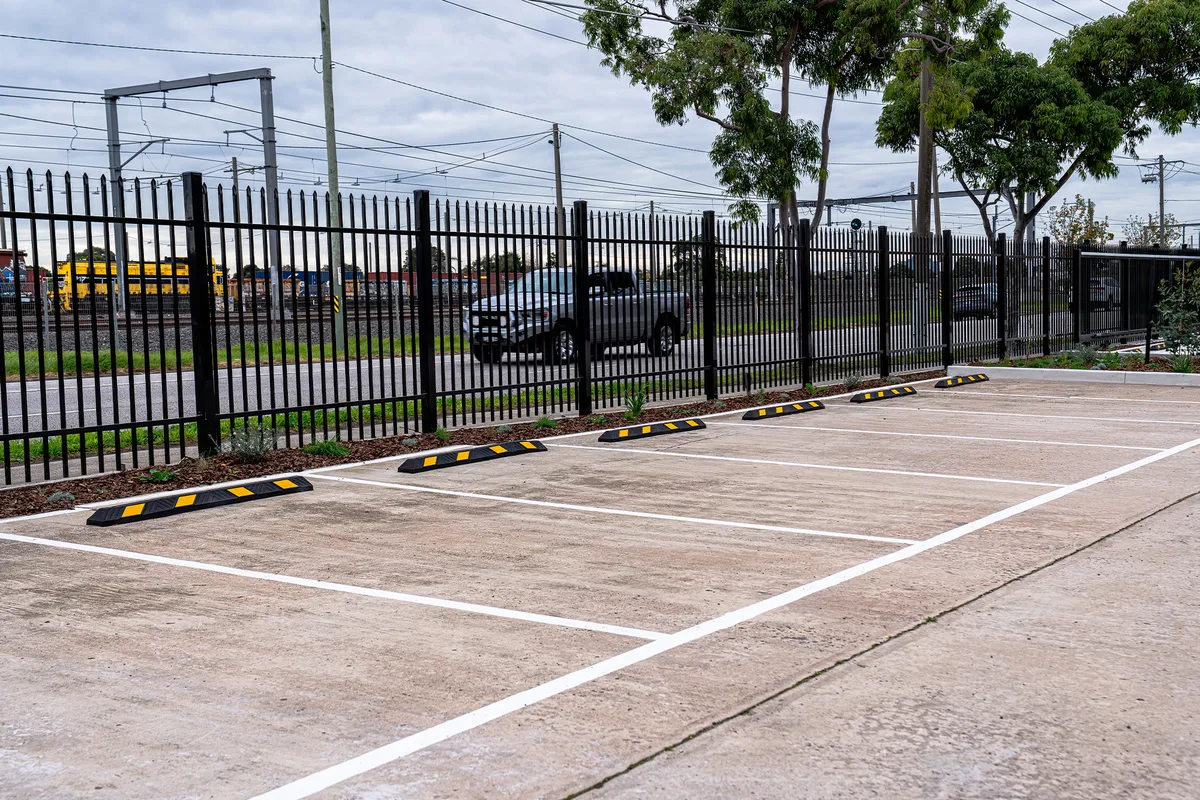
This project profile describes a typical commercial car park refresh methodology. Client identity, quantities and commercial details are omitted.
The challenge
Traffic remained active for most of the week, bay lines had worn unevenly and several high-turn areas needed more preparation than low-traffic rows. The refresh also had to avoid preserving obsolete or ambiguous marks.
Review before repainting
The team compared the visible layout with the site’s approved information and raised discrepancies before set-out. Accessible spaces, shared areas, pedestrian routes, directional markings and keep-clear zones were treated as connected elements rather than isolated paint items.
Staged delivery
The car park was divided into practical closures with clear vehicle and pedestrian controls. Surfaces were cleaned and prepared, redundant marks were addressed, and completed stages remained protected until suitable for reopening. Weather and cure requirements were built into the sequence.
Maintenance outcome
Handover photographs and product details established a baseline for future inspections. High-turn entries and pedestrian interfaces were nominated for earlier review, allowing local maintenance to be planned before broad failure.
Lessons for similar sites:
- Confirm the layout before quoting a like-for-like refresh.
- Include signs, wheel stops and access paths in the review.
- Communicate closures before contractors arrive.
- Compare coating options using disruption and future maintenance as well as price.
Read car park line marking services and understanding AS 2890.